
Chapter 2
Reclaiming Autonomy: Building a Strategic Exit Plan
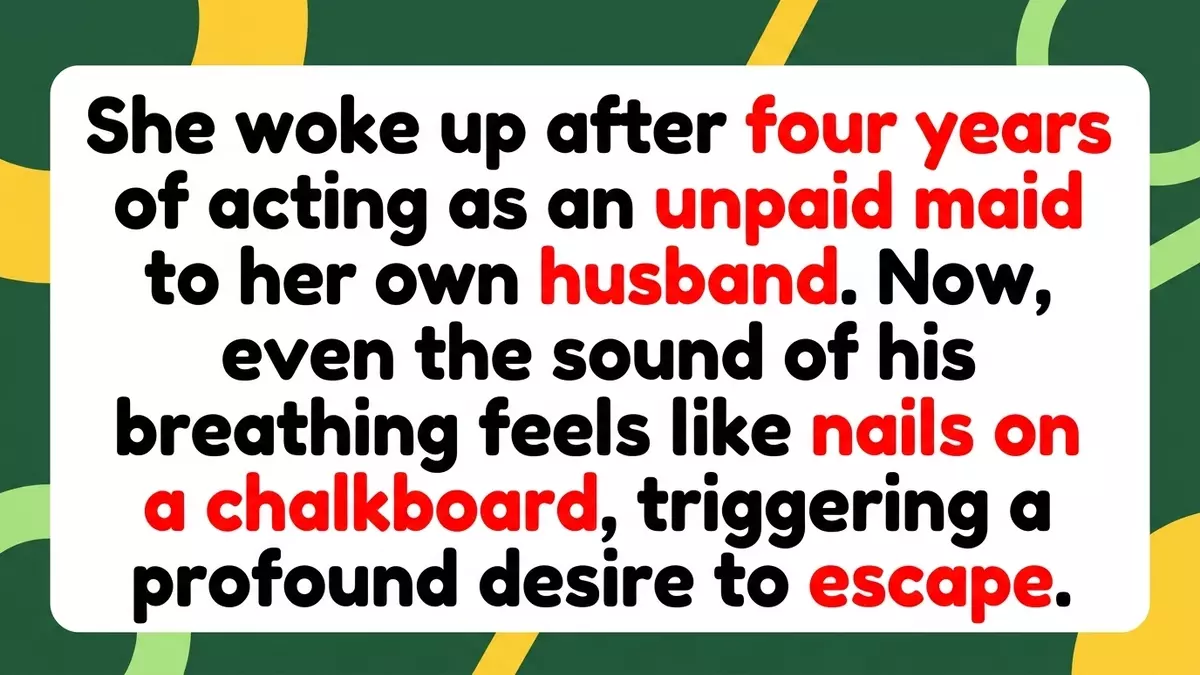
Untangling oneself from a toxic marriage is incredibly difficult, especially when the emotional stakes are high and personal savings are non-existent. However, relationship counselors and financial advocates stress that systemic laziness and emotional neglect are valid dealbreakers, regardless of how young a couple is or how long they have been together.
For anyone caught in a similar autopilot marriage with no immediate resources, securing personal autonomy must become the top priority:
-
Build a Financial Safety Net: Start stashing away small amounts of money from every single paycheck into a private, separate bank account that your partner cannot access. Financial independence is the cornerstone of a safe departure.
-
Quietly Document Assets: Take stock of shared assets, debts, and housing agreements. Understanding your exact financial situation prevents a partner from using financial manipulation during a separation.
-
Consult an Expert Safely: Reach out to a professional family counselor, legal aid service, or local advocate to safely and discretely map out a practical exit strategy before announcing your intent to leave.
Public Backing: Starting Over is Better Than Staying Trapped
When this raw confession of martial burnout reached the public, the internet community came in hot. Commenters on platforms like Reddit were nearly unanimous in their agreement that the young wife needs to run, not walk, toward the nearest exit.
Online readers heavily criticized the husband's behavior, pointing out that whether he is genuinely clueless or fully aware of his weaponized incompetence, the damage to her mental health remains identical. A few commenters offered a gentle, crucial reminder to the original poster: starting over completely fresh at 22, while terrifying, is infinitely better than staying trapped in a resentful, isolating cycle for decades to come.
Conclusion: The Ultimate Cost of Keeping the Peace
A healthy marriage requires a delicate balance of compromise, shared responsibilities, and mutual respect. When a partnership devolves into a one-sided housekeeping service driven by strategic helplessness, the baseline of trust is completely broken. This young woman's struggle serves as a stark reminder that physical and emotional survival should never be sacrificed to maintain the illusion of a peaceful home.
Frequently Asked Questions (FAQs)
1. What are the most common signs of weaponized incompetence in a marriage?
Common signs include a partner consistently doing basic chores poorly (like shrinking laundry or leaving soap on dishes) so they aren't asked to do them again, claiming they "don't know how" to do simple tasks like boiling pasta or using a vacuum, and constantly asking for step-by-step instructions for tasks they have seen performed dozens of times.