
Chapter 2
Nerve Compression and Muscular Atrophy
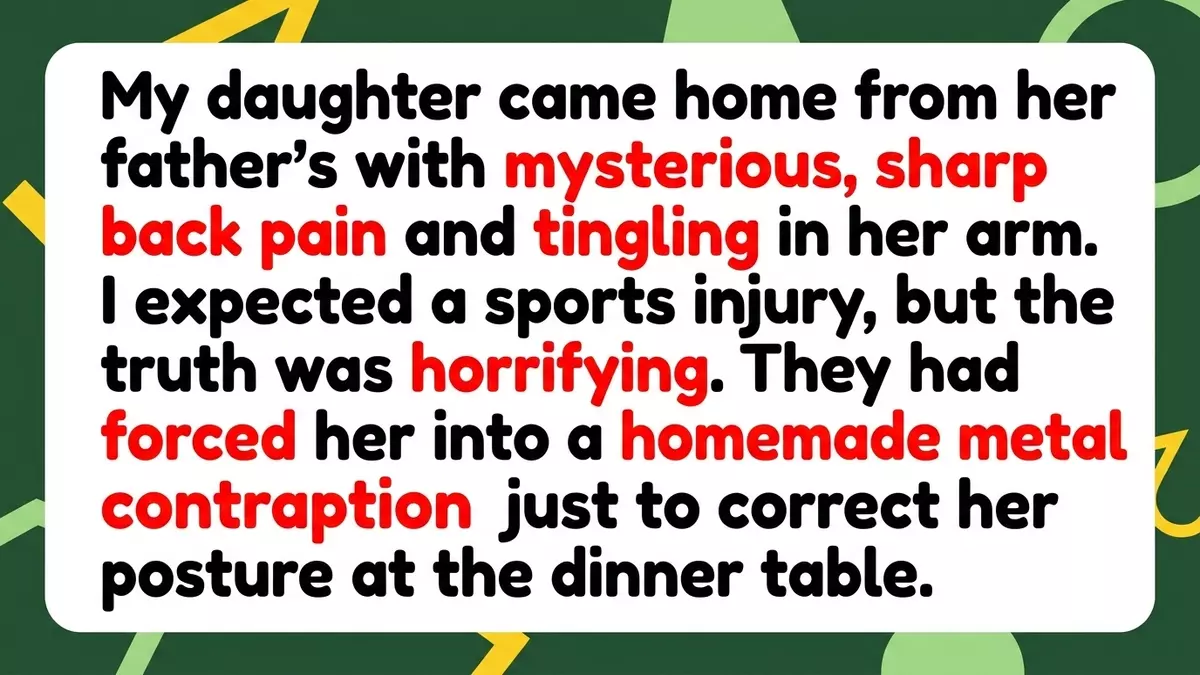
Pediatric medical experts warn that restricting a child's mobility with unyielding, non-professional materials can lead to long-lasting bodily trauma. The primary physical consequences observed in cases of forced immobilization include:
-
Severe Nerve Compression: Prolonged restriction can trap and inflame major neural pathways, directly causing the sharp pains, numbness, and tingling sensations experienced by the victim.
-
Muscle Atrophy: When a mechanical brace forces the body into a static position, the core and spinal muscles stop working, leading to rapid weakening and loss of natural support.
-
Permanent Joint Damage: Unnatural, prolonged pressure on a developing spine can alter structural alignment and cause premature wear on the vertebrae.
Systemic Failures Within the Family Court System
Beyond the shocking nature of the physical abuse, this situation highlights a systemic failure to recognize the escalating nature of child safety risks in complex custody disputes. Often, domestic relations courts default to an ideal of shared parenting, sometimes minimizing early warning signs or ignoring maternal concerns until an irreversible injury occurs.
In this case, the court's initial decision to reinstate parental visitation rights underscores how dangerous it can be to give abusive caregivers the benefit of the doubt when a child's health is actively on the line.
[Maternal Warning Signs Raised] ➔ [Court Minimizes Risks] ➔ [Visitation Reinstated] ➔ [Severe Homemade Brace Abuse] ➔ [Permanent Physical Injury]
To prevent these domestic tragedies, legal systems must prioritize independent medical evaluations and professional risk assessments over empty parental promises of behavioral reform. When a caregiver demonstrates a profound lack of basic judgment, immediate legal intervention must be swift and absolute.
Community Backlash and the Road to Recovery
When the details of the father and stepmother's actions surfaced publicly, the online community on platforms like Reddit reacted with absolute horror and outrage. Commenters expressed deep frustration over the family court's initial leniency and celebrated the young girl's immense bravery in speaking out about her treatment.
While formal criminal charges were ultimately filed against both the father and the stepmother, the physical and emotional scars left behind will require long-term dedication to heal. For families navigating the stressful aftermath of domestic trauma, securing emergency legal protection and specialized trauma-informed therapy are vital steps toward establishing a secure home environment.
| Protective Layer | Common Vulnerability | Recommended Action Plan |
| Legal Strategy | Assuming standard co-parenting behaviors without verification. | Demand emergency custody suspension and formal protective orders immediately following an incident. |
| Medical Record | Treating superficial symptoms without questioning the root cause. | Obtain comprehensive orthopedic and neurological documentation to build an ironclad evidentiary trail. |
| Child Communication | Fear of retaliation preventing the child from speaking out. | Maintain an open, shame-free household dialog so children feel safe reporting unusual punishments. |
Conclusion: Prioritizing Child Safety Over Compromise
The long road to recovery will be challenging for this brave young girl, but with the unwavering support of her protective mother and appropriate professional care, true healing is possible. This case stands as a stark reminder of the extreme lengths to which a protective parent must go to shield their children from systemic blind spots and hidden household dangers. Reclaiming safety means realizing that a toxic environment must be escaped completely, ensuring that a child’s physical autonomy and personal dignity are never sacrificed for the sake of an unsafe compromise.